

Estate & Trust Tax Returns (1041 & Final Returns) – Sonoma County
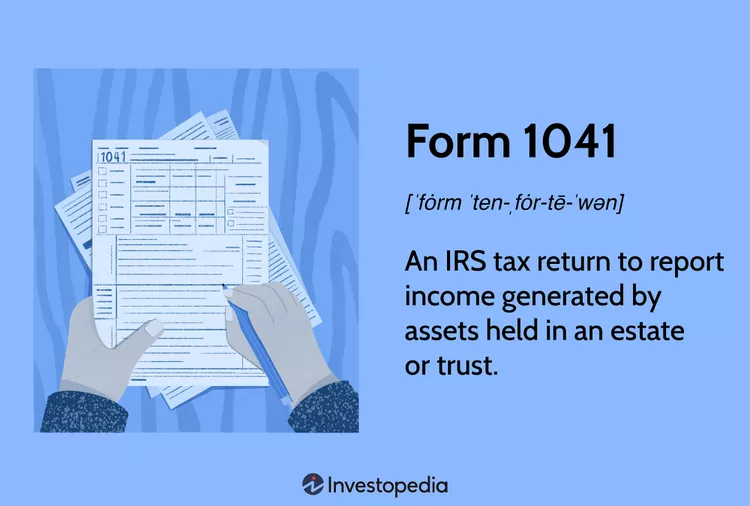
Handling tax returns for a trust or estate can feel complex and technical — especially when it matters most. Whether the trust generates income, holds rental property, or has distributions to beneficiaries, the right organization and compliance matter. At Sonoma County Paralegal, we help clients get their fiduciary tax returns ready with professional support from tax-qualified document specialists.
Not all trusts have to file a tax return — but many do
When you have a trust, you may need to file a tax return — or you may not — depending on the type of trust and whether it has income above filing thresholds. For example:
- The federal fiduciary return (Form 1041) is generally required when the trust has gross income over certain limits (often more than $600) or when there are taxable events during the year.
- In California, a fiduciary return (FTB Form 541) may also be required when the trust/estate exceeds certain income thresholds, even if no federal return is due.
Because the rules are technical and change over time, we always check the specific filing triggers that apply to your trust and build a clean, organized file so your preparer or CPA can complete the return without scrambling. We also help explain the difference between fiduciary returns and a decedent’s final personal return, which are separate filings with different requirements.
Why this matters for Sonoma County clients
The most common reason we see trusts having to file returns here in Sonoma County is income from property or investments. For example, if your trust owns the family home and it is rented month-to-month, that rental income typically creates a filing requirement along with deductions and depreciation questions. The same goes for investment accounts that generate interest, dividends, or capital gains.
Beyond compliance, proper tax organization here can literally save you money. Mistakes in asset classification, withholding, expense reporting, or income timing can lead to unnecessary tax burdens or extended audits. At Sonoma County Paralegal, we offer structure and clarity so your trust tax compliance is defensible and accurate.
How we help
Our trust and estate tax support includes:
- Organizing all statements by category and taxpayer year • bank, brokerage, investment, rent, and other income
- Clarifying which forms are required — federal versus state — and why
- Labeling and tagging documents so your CPA or tax preparer avoids delays
- Explaining differences between a fiduciary return, final individual return, and beneficiary reporting
Important distinction: fiduciary vs final personal return
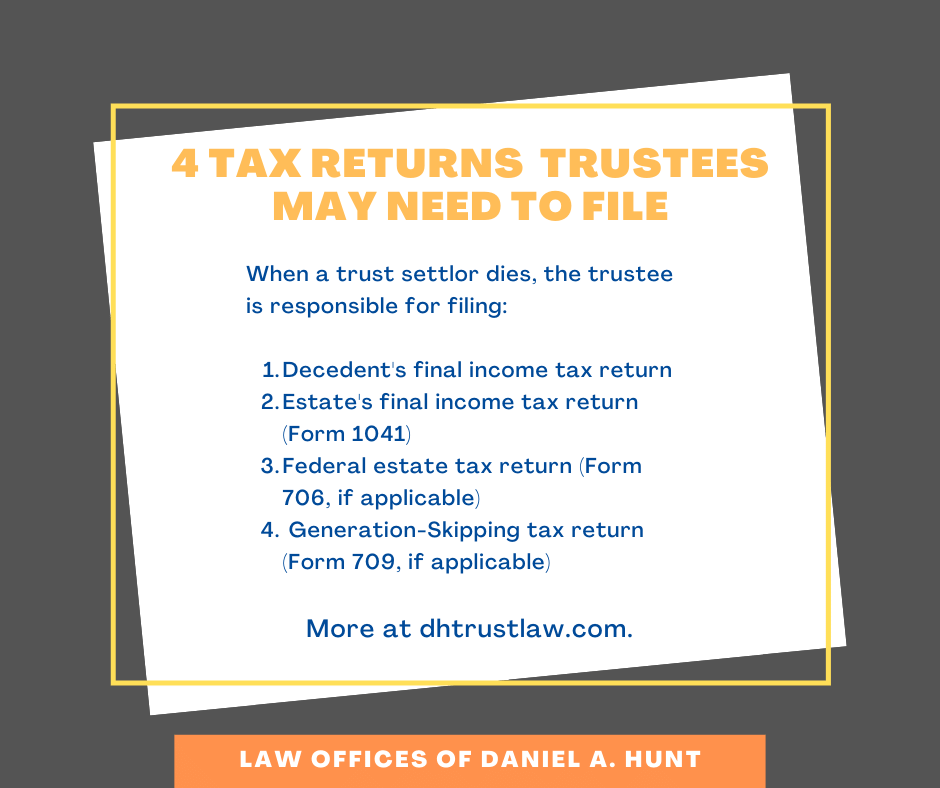
Don’t confuse the fiduciary tax return (1041/541) with the decedent’s final personal income return (Form 1040). They are separate filings with different rules. We help identify which returns apply and prepare the organized record set for each.
Get a quote
To get clear pricing and timelines for your trust or estate return support, visit:
Call us: (707) 343-9972
Free consultation: We offer a free 1-hour consultation if you qualify — request a quote and we’ll confirm details and availability.
Pricing & Packages
Related Pages
- Estate Planning & Trusts – Sonoma County
- Special Needs Trust – Sonoma County
- Estate & Trust Tax Planning – Sonoma County
- Trust Administration After Death – Sonoma County
- Revocable Living Trust – Sonoma County
- Estate & Trust Tax Returns (1041 & Final Returns)
- Sonoma County Trusts, Wills & Powers
- Sonoma County Estate Planning & Trust Services
- Trusts & Wills
- Types of Trust(s) – For Individuals
Note: We are not a law firm and do not provide legal advice. For questions about legal tax positions, strategy, or disputes, consult a qualified attorney or CPA. Our role is to organize records, prepare files, and support compliance readiness.